Understanding Spam-Text-Lawyer-Indiana
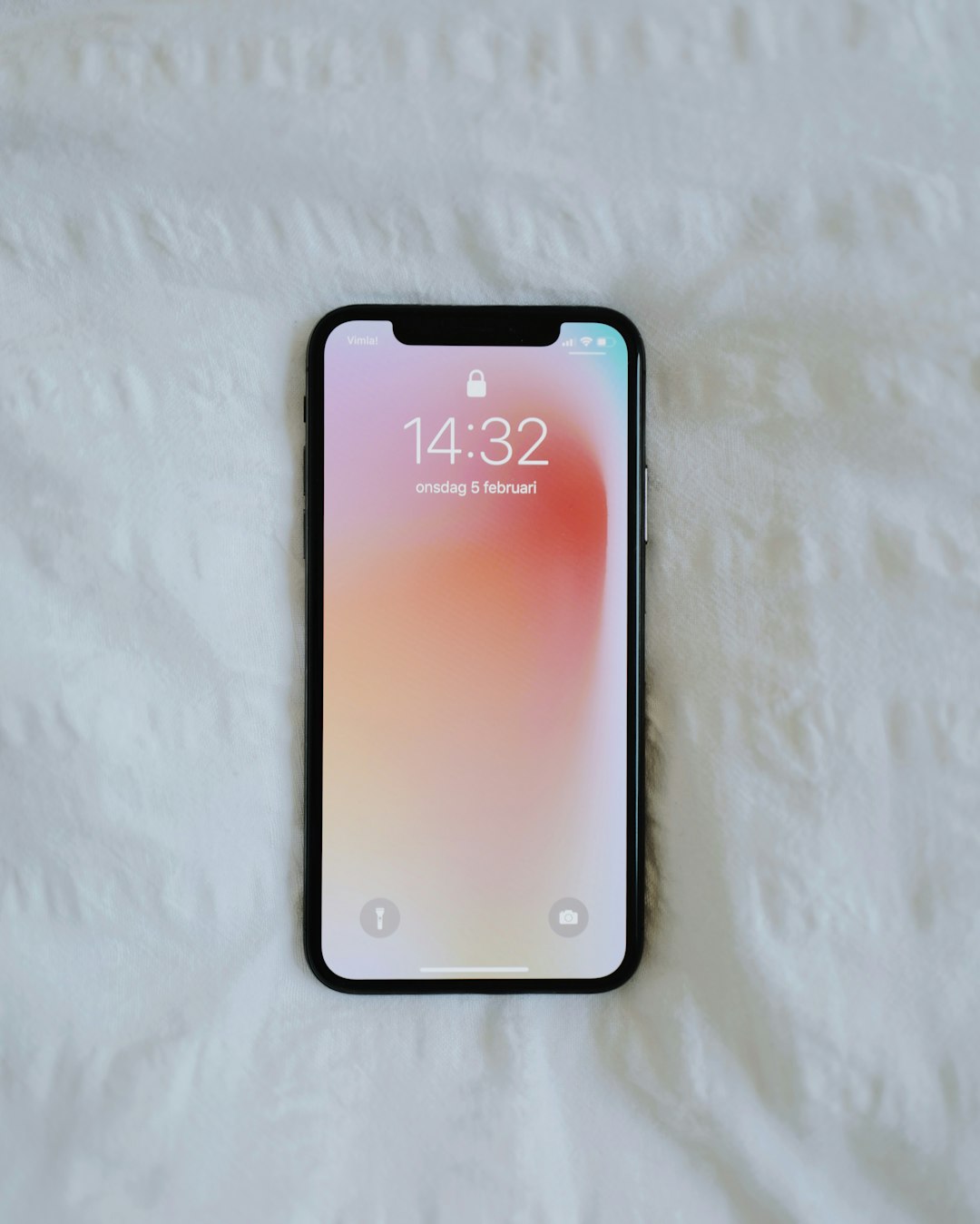
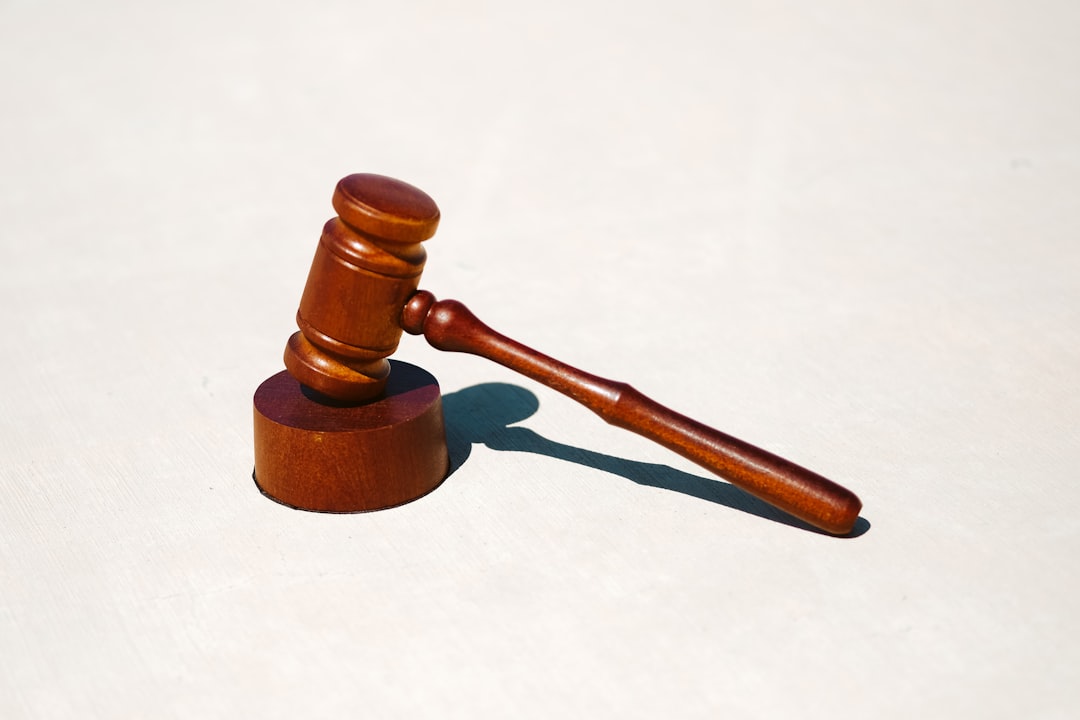
Spam-text-lawyer-Indiana (STLI) is a unique concept that intersects the realms of telecommunication, legal practice, and consumer protection, particularly within the state of Indiana. At its core, STLI refers to the regulatory framework and legal actions taken against unsolicited text messages (spam texts) that violate consumer rights and privacy laws. The term encapsulates the complexities of navigating digital communication norms, legal precedents, and technological advancements in response to these unwanted messages.
The historical context of STLI begins with the Telephone Consumer Protection Act (TCPA) of 1991, which aimed to safeguard consumers from abusive and invasive marketing practices through unsolicited calls and faxes. Over time, as text messaging became prevalent, the scope of the TCPA was expanded to include spam texts. In Indiana, the evolution of STLI has been influenced by both federal regulations and state-specific legal interpretations and actions.
STLI is significant because it represents a critical intersection of consumer rights, technology, and law. It underscores the ongoing challenge of balancing innovation with protection against exploitative practices in digital communication.
Global Impact and Trends
The influence of STLI extends beyond Indiana's borders, as the issue of spam texts is a global concern. Countries worldwide have established their own versions of consumer protection laws, similar to the TCPA, to address the influx of unwanted text messages. The proliferation of mobile devices and the rise of smartphones have exponentially increased the volume and sophistication of spam texts.
Key trends shaping STLI's trajectory include advancements in artificial intelligence (AI) for filtering spam, the increasing use of data analytics to target consumers, and the evolving nature of telecommunication technologies. Different regions are affected by STLI in varying degrees, with some countries experiencing a higher incidence of spam texts due to less stringent regulations or technological infrastructure challenges.
Economic Considerations
The economic implications of STLI are multifaceted. From a market dynamics perspective, the prevalence of spam texts can distort fair competition by giving unscrupulous marketers an unfair advantage. It can also negatively impact consumer trust and satisfaction, which are critical for economic stability and growth.
Investment patterns in technology and services that combat spam texts indicate a growing market for cybersecurity solutions and privacy-focused innovations. Moreover, STLI's role in economic systems is to ensure that consumers are not economically harmed by the actions of spammers, which includes preventing scams, fraud, and the misuse of personal data.
Technological Advancements
Technological advancements have been instrumental in the fight against spam texts. Innovations such as AI-driven filtering systems, machine learning algorithms to identify patterns of spammers, and blockchain technologies for secure communication are all tools that have emerged to combat this issue. These advancements not only help in reducing the volume of spam texts but also in improving the overall efficiency of telecommunication networks.
Looking ahead, we can anticipate further developments in technology that will enhance consumer protection against spam texts. These may include more sophisticated anti-spam software and protocols that operate in real-time, offering even greater protection to consumers.
Policy and Regulation
The policy and regulatory framework governing STLI is complex, involving federal laws like the TCPA, state regulations, and guidelines set forth by the Federal Communications Commission (FCC). These policies are designed to protect consumers from invasive spam texts while balancing the interests of legitimate businesses.
Key legislative frameworks include provisions for consumer consent before sending text messages, fines and penalties for violations, and requirements for opt-out mechanisms. The influence of these policies on the development of STLI is significant, as they shape how both consumers and marketers interact within the digital realm.
Challenges and Criticisms
STLI faces numerous challenges and criticisms. One of the main issues is the rapid evolution of spamming tactics, which often outpace regulatory responses. The use of spoofed numbers and international call centers makes it difficult to enforce laws effectively. Additionally, there are concerns about privacy, as some legitimate businesses argue that overly restrictive regulations could stifle innovation and marketing practices that benefit consumers.
To overcome these issues, a multi-pronged approach is needed, including better enforcement mechanisms, international cooperation on regulations, and continuous updates to legal frameworks to keep pace with technological advancements.
Case Studies
Several case studies illustrate the successful application of STLI principles. For instance, a class-action lawsuit in Indiana led to a significant settlement for consumers harmed by spam texts, setting a precedent for future cases. Another example is a tech startup that developed an app using AI to identify and filter out spam texts, significantly reducing the number of unwanted messages received by users.
These case studies demonstrate the effectiveness of STLI when it is properly implemented and enforced, highlighting the potential for positive outcomes in consumer protection and technological innovation.
Conclusion
STLI represents a critical intersection of technology, law, and consumer rights. As spammers continue to evolve their tactics, so too must the laws and technologies designed to combat them. The economic, social, and ethical implications of STLI are significant, and its continued evolution will be shaped by both technological advancements and policy decisions. By addressing the challenges and criticisms head-on, STLI can ensure a more secure and consumer-friendly digital landscape for all.
November 10, 2025
Spam Text Lawyer Indiana Expert
Spam texts pose significant challenges in Indiana's diverse landscape, impacting both urban and rural communities with fraud and scams. Faith-based organizations can lead community education efforts by partnering with local law enforcement, including Indiana's spam call law firms. Strict c.......
Read more →
November 7, 2025
Spam Text Lawyer Indiana Expert
Crawfordsville, Indiana, leads a national initiative against spam calls by enacting a strict Spam Call law firm. This legislation bans unsolicited phone marketing, empowers consumers to opt-out, and fosters ethical business practices. Local businesses adopt advanced anti-spam technologies, staff tra.......
Read more →
November 5, 2025
Spam Text Lawyer Indiana Expert
Lafayette's new local ordinances tighten Indiana's spam laws by banning bulk texts without explicit consent, imposing substantial fines, and giving recipients more control. Businesses must obtain clear opt-in consent and provide easy opt-out options. Residents can block senders and request.......
Read more →
November 3, 2025
Spam Text Lawyer Indiana Expert
In the digital age, cities like Bargersville face growing spam call challenges through Indiana's Spam Call law firm regulations. To combat this, Bargersville implemented a city-wide text verification process via the Bargersvilles Blockade Initiative, combining resident registration, robust AI-p.......
Read more →
October 30, 2025
Spam Text Lawyer Indiana Expert
Indiana's limestone heritage, visible in iconic structures, requires authentication due to potential spam text infiltration and preservation issues. A specialized team uses advanced techniques to verify ancient manuscripts from Stineville. Spam Text Attorneys in Indiana navigate legal complexit.......
Read more →
October 24, 2025
Spam Text Lawyer Indiana Expert
Indianapolis residents face spam text issues, but Indiana's Spam Call law and a specialized Spam Call law firm offer protections. Understanding spammer tactics, reporting spam, blocking numbers, and using device tools help combat unwanted messages. Residents can secure contact info through priv.......
Read more →